The ® and TM symbols in the UK: when a brand may use each, and the offence behind the circle
The direct answer
In the UK the ® symbol may be used only for a trade mark that is registered. Section 95 of the Trade Marks Act 1994 makes it an offence to falsely represent that a mark is registered, or to misrepresent the goods or services it is registered for, knowing or having reason to believe the representation is false; the word registered or any symbol referring to registration counts as such a representation unless it refers to a registration elsewhere that in fact exists. The penalty is a fine on summary conviction. The TM symbol has no legal standing in the UK and may be used by anyone to show they treat a name or logo as their mark, registered, applied for or neither. The Intellectual Property Office confirms that a registered owner may use ® without stating that the registration is UK only. For a mark that is only applied for, use TM or nothing until the registration certificate issues.
Five conclusions
The argument, compressed.
- ® belongs to registered marks only. Using it on an unregistered mark is an offence under section 95 of the Trade Marks Act 1994.
- The offence covers the word registered and any symbol implying registration, where the person knows or has reason to believe it is false.
- TM has no legal standing in the UK and may be used by anyone, registered or otherwise.
- An application is unregistered until the certificate issues, so ® waits.
- A registered owner may use ® without saying the registration is UK only.
Working framework · 5 decisions
The symbol check
Four checks before a symbol goes next to the name, and one on what the symbol is for.
Decision 01 / 05
Status
Confirm the mark's status on the UK IPO register: registered, applied for, or neither.
What the circled R says, and the offence behind it
Section 95 of the Trade Marks Act 1994 makes it an offence to falsely represent that a mark is a registered trade mark, or to make a false representation about the goods or services a trade mark is registered for, knowing or having reason to believe that the representation is false. The Act treats the word registered, and any other word or symbol that refers to registration, as such a representation, unless it is shown that the reference is to a registration elsewhere and the mark is in fact registered there. The penalty is a fine on summary conviction.
The Intellectual Property Office puts the positive side simply: a registered trade mark enables you to use the ® symbol, telling everyone the mark is registered and that you can act against unauthorised use. The IPO has also confirmed there is no obligation to state that a registration is UK only.
The short version
® after the certificate, for the goods it covers. TM any time. Nothing false in between.
TM, and the waiting period
TM has no legal standing in the UK. Businesses use it to show they regard a name or logo as their trade mark, registered or otherwise, and it carries weight in some other countries. It is the honest symbol for an application that is still pending, and for a name a business intends to protect but has yet to file.
The waiting period is where most slips happen. A new brand files an application, prints packaging with ® because the filing felt like the finish line, and the mark sits unregistered for months while the application is examined and opposed. Until the certificate issues, the name is unregistered and the circle is a false representation.
- Registered in the UK for your goods: ® is yours to use.
- Applied for, awaiting examination or opposition: TM, or no symbol.
- Registered abroad only: ® is permitted where the reference is to that registration and it exists; make the reference clear.
- Registered for different goods from the ones on the page: the circle beside those goods misrepresents the scope.
What the symbols do for a brand, and what they leave undone
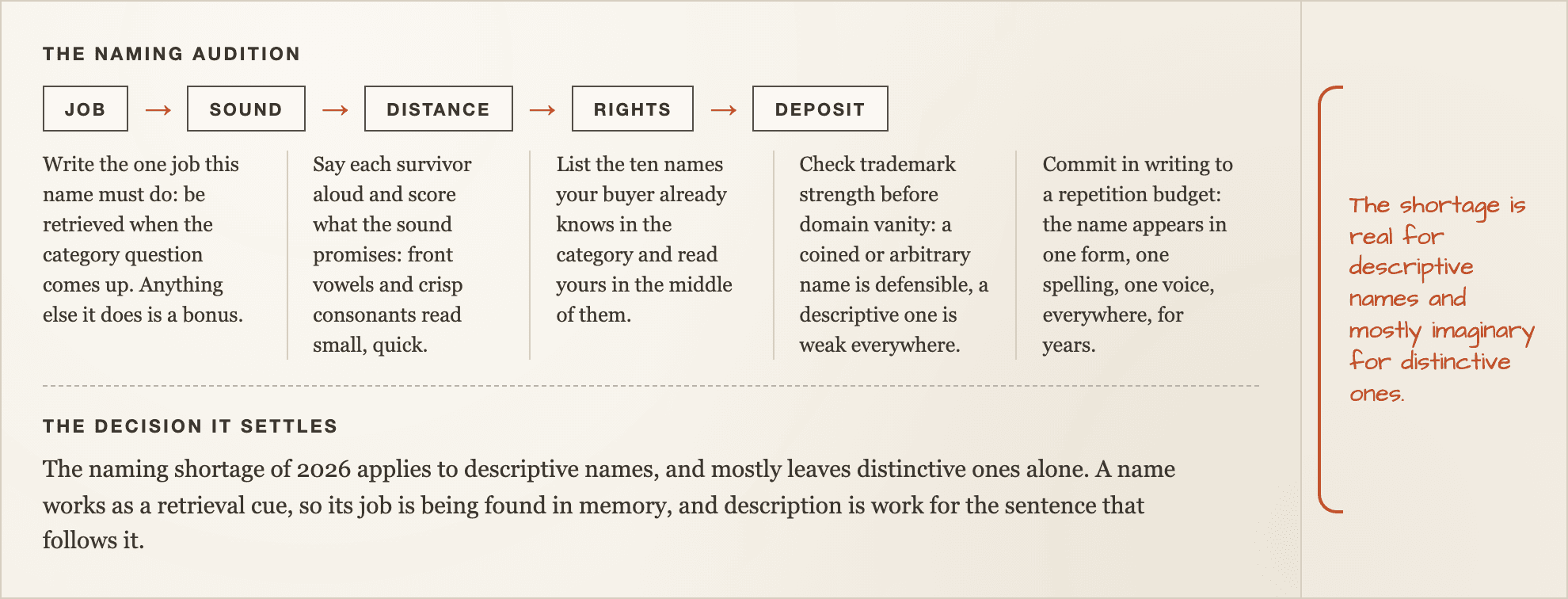
A symbol is a notice. It tells a competitor or a copier that the name is claimed, and it tells a careful buyer that the business has done its paperwork. Neither symbol adds a gram of memory. Customers recall a name because it is distinctive and repeated, and a circle leaves a generic name as generic as before.
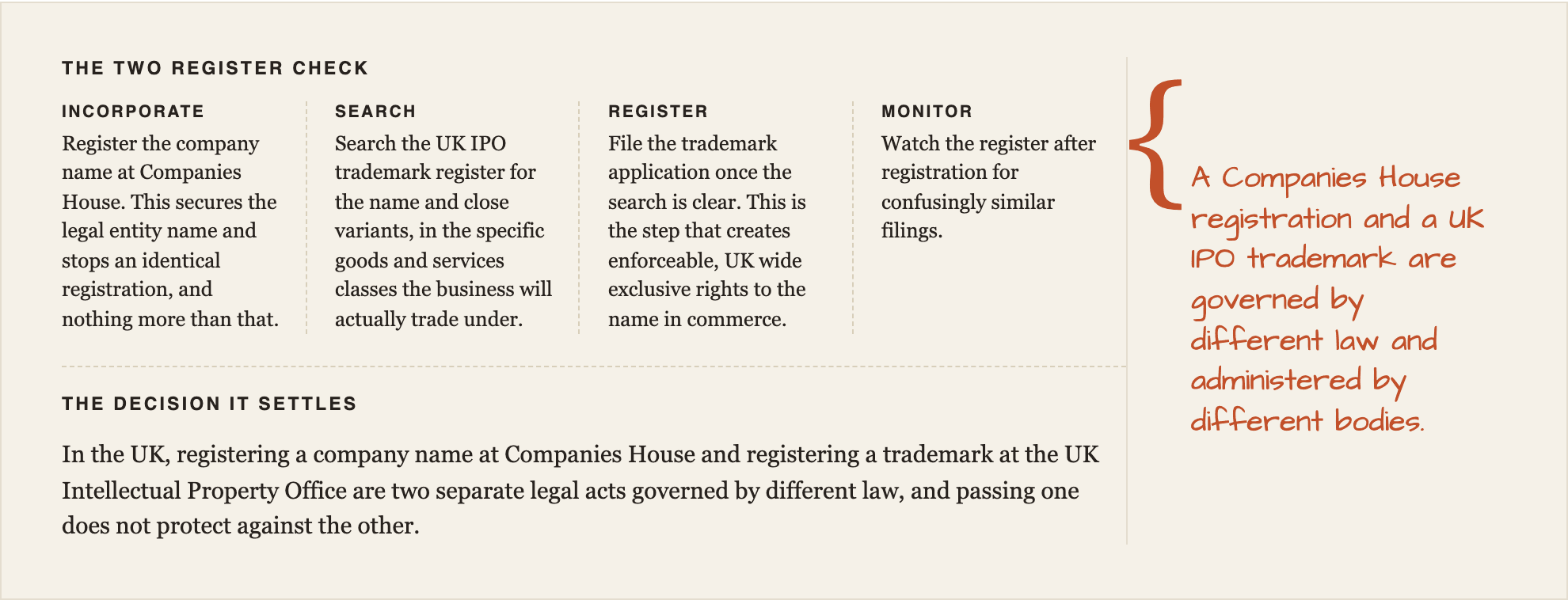
The useful order is the reverse of the usual one: choose a name that can be registered and remembered, search the register, file, then mark it. Brands that start with the symbol tend to have skipped the first step.
Before you use it
Questions that can change the recommendation.
Can I use the ® symbol before my trade mark is registered?
Wait for the certificate. Section 95 of the Trade Marks Act 1994 makes it an offence to falsely represent that a mark is registered, knowing or having reason to believe the representation is false. Until the registration certificate issues, use TM or no symbol.
What is the difference between TM and ®?
® indicates a registered trade mark and may only be used for one. TM has no legal standing in the UK and shows only that the business treats the name or logo as its mark, whether registered or unregistered.
Do I have to say my registration is UK only when I use ®?
The Intellectual Property Office has confirmed there is no obligation to state that the registration is a UK one; the offence applies only where the mark is unregistered.
What is the penalty for using ® on an unregistered mark?
Under section 95 of the Trade Marks Act 1994 a person guilty of the offence is liable on summary conviction to a fine.
What does brand strategy cost in the UK?
At Branding Tatva the Foundation engagement starts at £1,950 for UK clients. Its published scope includes discovery and positioning, audience definition, a core visual identity, starter brand guidelines and launch messaging direction. Trade mark searches and filing belong with a trade mark attorney and are outside the scope.
Research record
What this guide draws from.
Each source note describes what the reference supports. Platform guidance, research findings and Branding Tatva's practical suggestions have different scopes.
- Marked goods and branding
Intellectual Property Office
The ® symbol follows registration; the IPO's reply in the comments confirms no obligation to state UK only registration and that the offence applies to unregistered marks.